Making it Electric
The beginning
In my second year, I switched to electrical engineering to deepen my understanding of how devices work. However,
With its smaller student population, I noticed that my department lacked hands-on opportunities—an
issue reminiscent of the resource gaps I observed in Cameroon where I grew up. To address this, I proposed and
established the Independent Engineering Initiative, drafting governing documents, planning fundraising
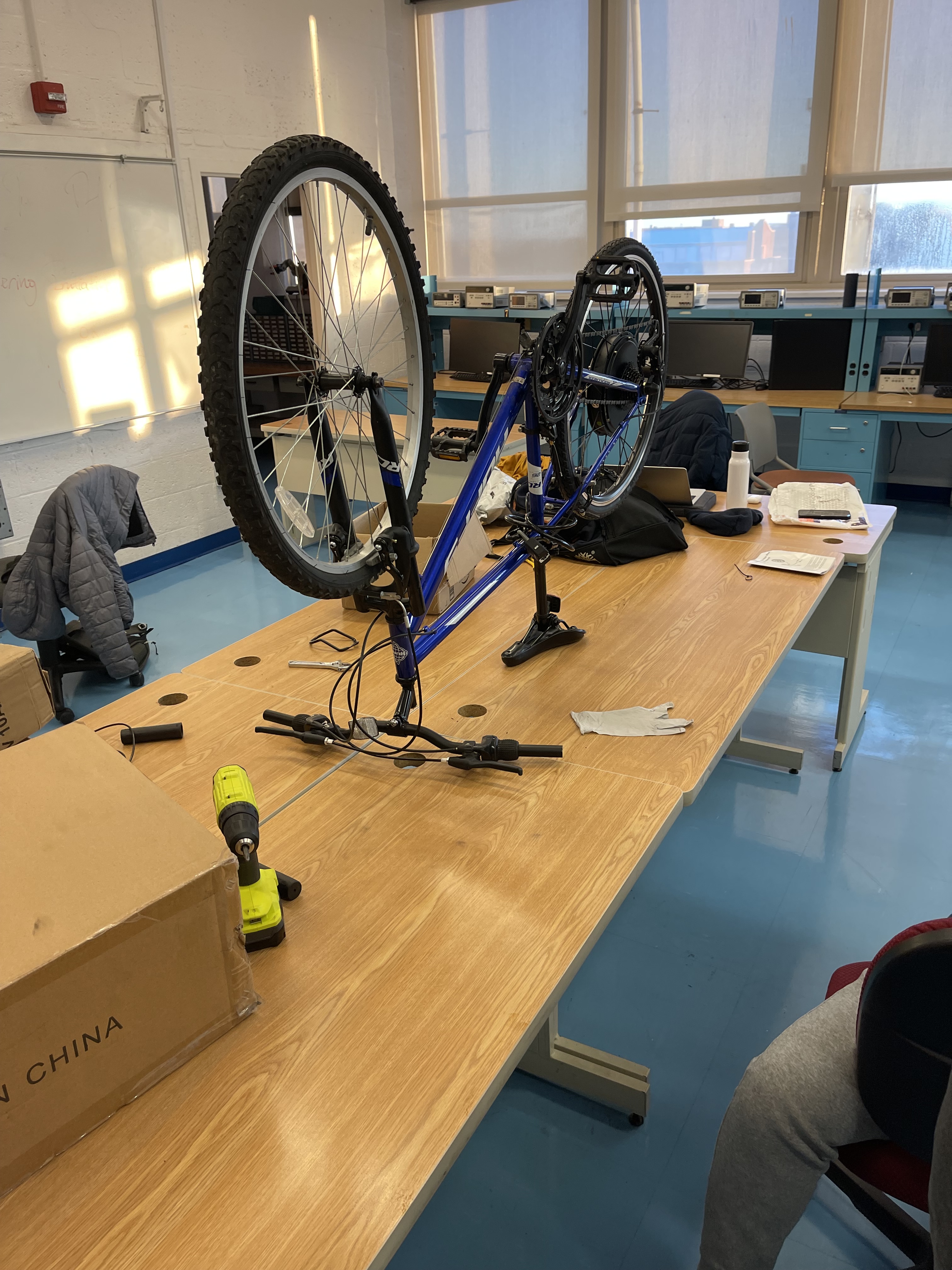
efforts, and securing approval from the Dean of Engineering. Our first project involved converting a
traditional bike into an electric one.
To start our exploration, we examined some of today’s popular electric bike services, with Lime and Capital Bikeshare standing out as prominent examples. These bikes are user-friendly, relatively lightweight, and still provide an opportunity for exercise, much like a traditional bike.
We delved into the key components that make these bikes functional. One significant discovery was that the electric power source driving one of the wheels enhances its rotational force, allowing the bike to accelerate more quickly—similar to the mechanics of a pulley system. We wanted to apply this approach to our regular bike. We started by replacing our back wheel with one with an integrated motor.
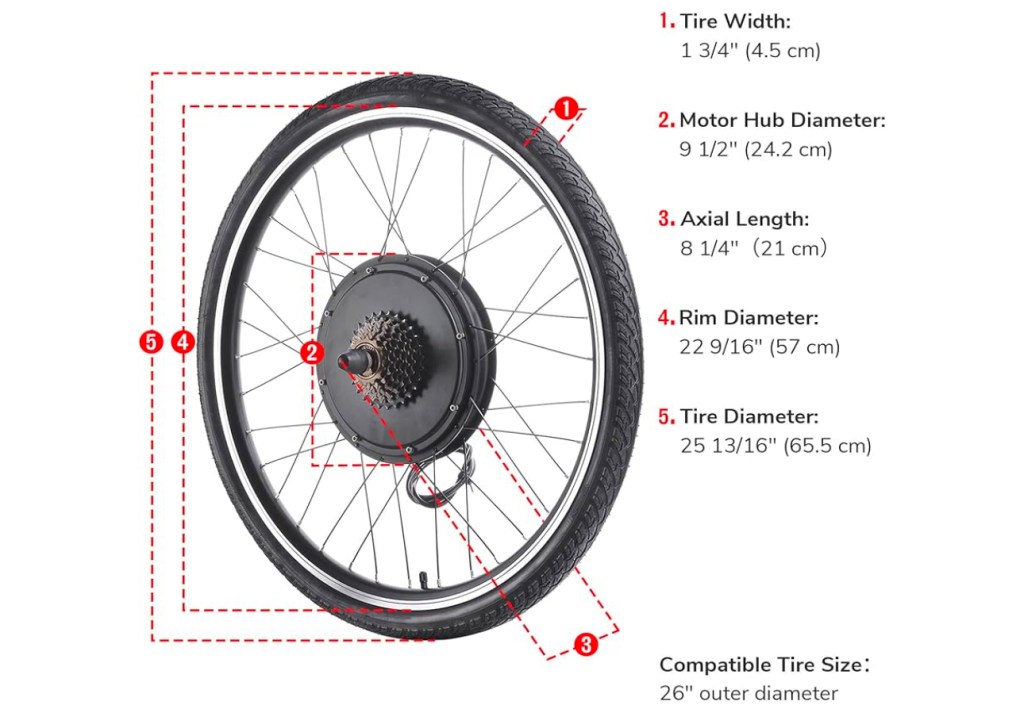
We ordered a 1000-watt motor wheel which we powered using four 25V batteries. The batteries needed to be connected in series to achieve the necessary voltage. This setup combines the voltages of each battery, resulting in a total of 100V (25V x 4), while keeping the current the same. This is important because the motor requires a specific voltage to operate efficiently. However, there are several challenges to consider. For one, the batteries must be balanced—any imbalance can lead to uneven performance, reduced efficiency, or even overheating. Another issue is safety, as working with high voltage can be dangerous. Proper insulation for all connections is critical to prevent electric shocks or short circuits. We used adhesive tape at the connection point of our batteries.
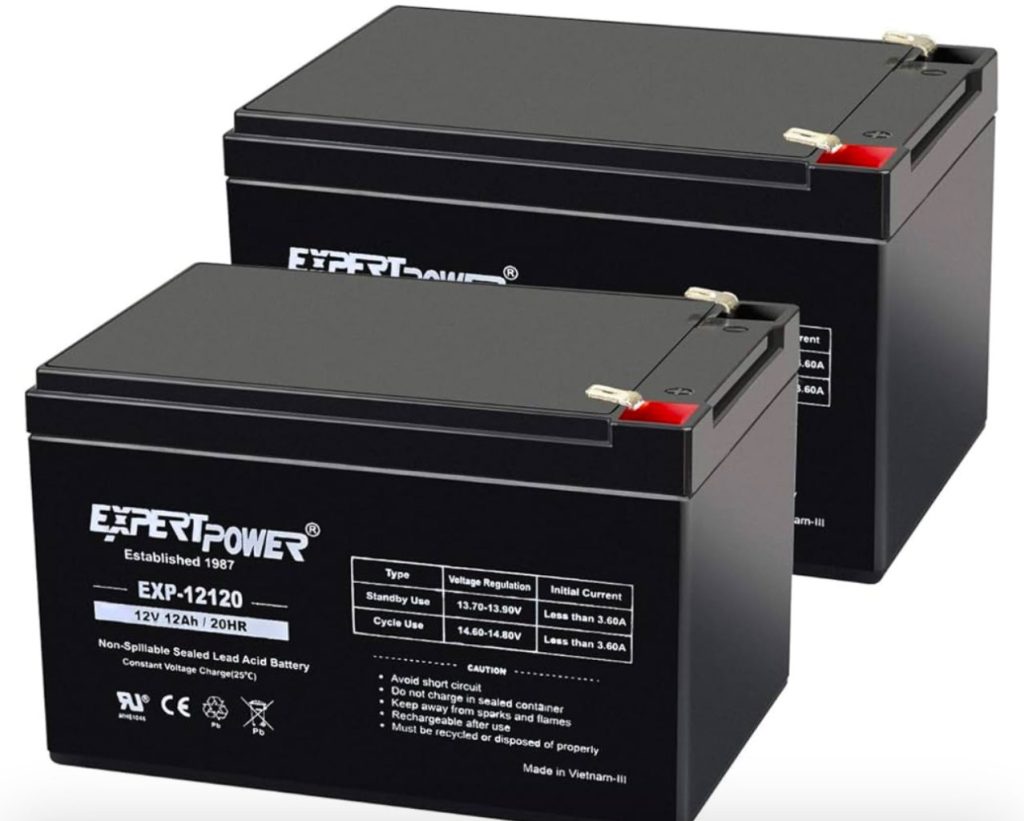
Additionally, a battery management system (BMS) was used to monitor and regulate the charging and discharging of the batteries, ensuring they don’t get overcharged or drained too much. Fuses or circuit breakers are also essential to protect the system in case of sudden power surges. Finally, regular checks of the battery connections were made to make sure they remained secure, and insulated tools and gloves were used when working on the setup to avoid accidents.

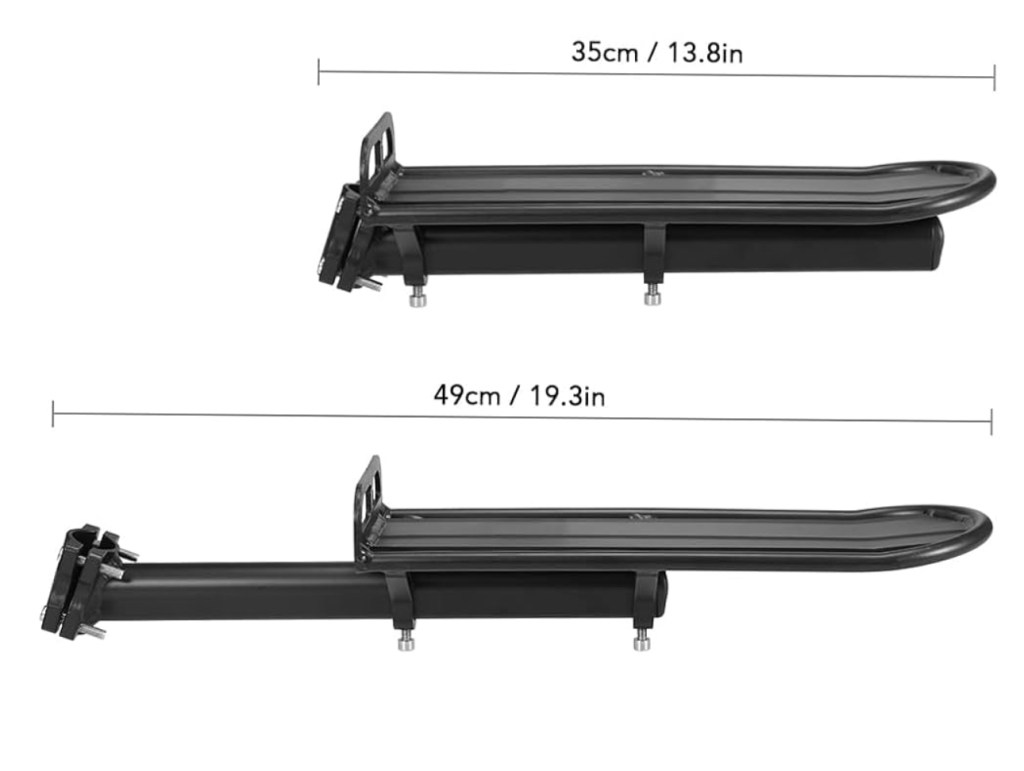
Once we had all the components connected and functioning properly, the next challenge was ensuring the bike’s mobility remained optimal. Using four batteries added significant weight and took up more space, which impacted the bike’s balance and maneuverability. While we considered reducing the number of batteries or switching to a different type, these options were dismissed due to the high financial costs and potential performance trade-offs. Instead, we focused on redistributing the weight by repositioning the batteries across the bike frame. This approach showed promise but was only feasible for three of the four batteries due to size constraints. To address this, we explored adding a bike rack, similar to those used for carrying extra loads on standard bikes, as a way to securely mount the remaining battery without compromising the bike’s stability or performance. The rack provided a secure mounting point for the remaining battery, maintaining the system’s balance and ensuring mobility was not overly compromised.
The project culminated in a functional bike powered by a 1000-watt motor wheel, capable of achieving significant speeds while maintaining a practical and balanced design. Through careful planning, innovative weight redistribution, and adherence to safety protocols, we successfully developed a bike system that showcases the potential of integrating engineering solutions for mobility applications.
This experience highlighted the importance of balancing performance, cost, and practicality in engineering projects, as well as the value of iterative problem-solving and teamwork.
 Home: Starters